
Start at Square One:
Making Sense of Selective Mutism
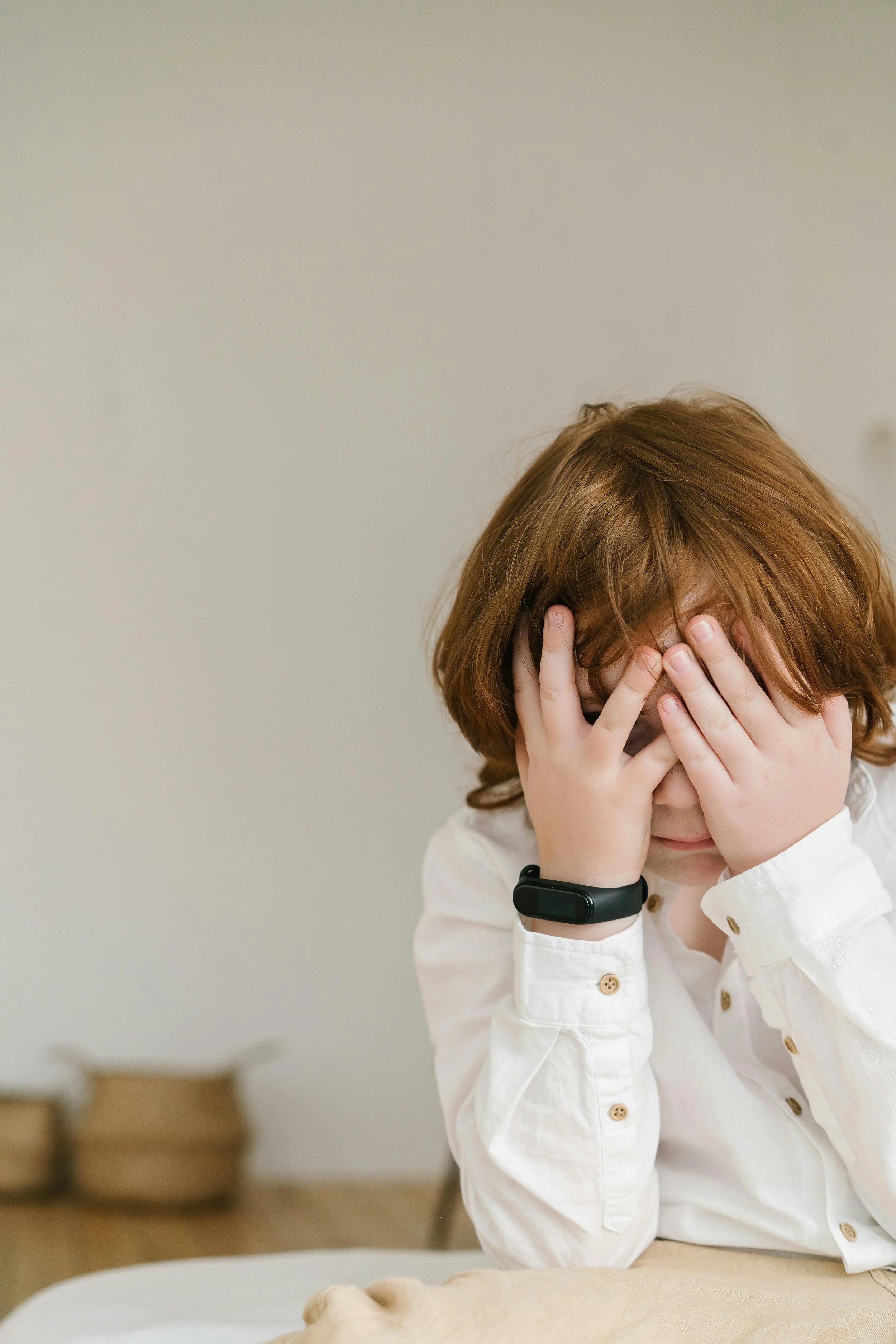
Some children talk freely at home — but go completely silent in other settings.
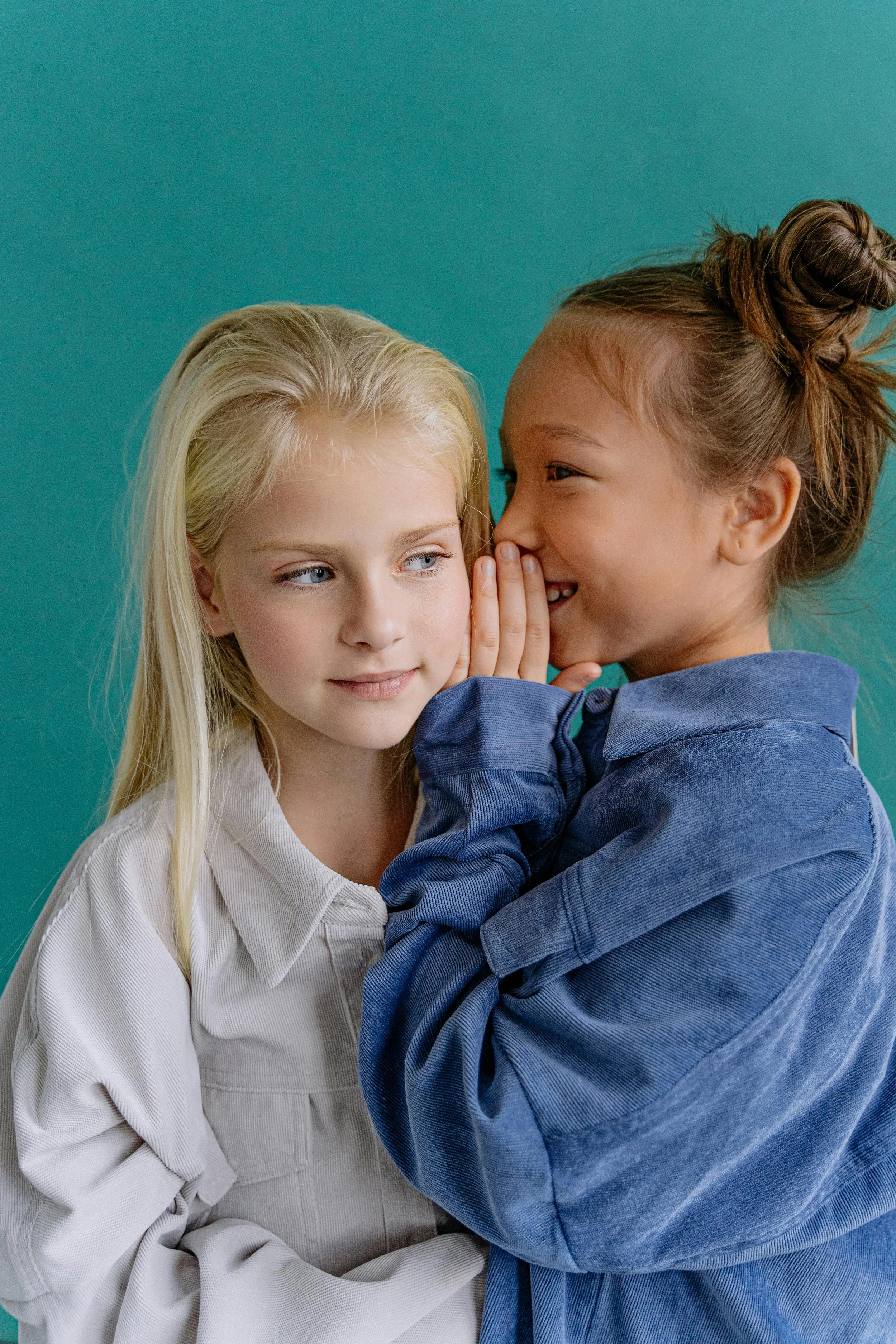
They may whisper to you, but not answer a teacher. They may play comfortably alongside peers, but not speak to them. They may look like they’re ignoring questions, when in reality, their voice is stuck.
For parents, this can feel confusing and unsettling.
Is it anxiety? Shyness? Defiance? Should you encourage more talking — or pull back?
When a child wants to speak but can’t in certain situations, there is usually something deeper at play. And more often than not, the path forward is not about pushing harder or stepping away completely — but about changing how support is offered.
What Is Selective Mutism?
Selective mutism is an anxiety-based disorder where a child is able to speak in some settings, but unable to speak in others. Most commonly, children speak comfortably at home but struggle to speak at school or in social situations.
This pattern is not about oppositional behavior or lack of effort. It reflects a context-dependent shutdown in the child’s ability to use their voice — often in situations where they feel observed, evaluated, or uncertain.
In these moments, the nervous system shifts into a protective response. Speech becomes difficulty — not because the child is choosing not to speak, but because anxiety is getting in the way.
Noticing the Patterns
A Parent Self-Check for Selective Mutism
Many parents find themselves asking the same question:
“Is this just shyness… or is it something more?”
Selective Mutism can be confusing because children often speak comfortably in some settings (like at home), while becoming quiet or unable to speak in others (like school, activities, or around less familiar people).
This isn’t always easy to recognize at first — especially because the behavior can look different from one child to the next.
This quick self-check isn’t meant to diagnose your child, but it can help you notice patterns that are commonly seen in Selective Mutism and decide whether it may be helpful to take a closer look.