
PLAY-BASED BRAVE BEGINNINGS
AGES 3 TO 6
Simple, open-ended play builds comfort, connection, and early voice use. These tools prioritize low language demand, parallel play, and short, supported speaking opportunities to help brave talking feel safe and repeatable. At this stage, we are building foundations — not forcing performances. The goal is consistent verbalizations, repetition, cooperative rhythm, and tolerance of small moments of discomfort. The goal is many small successes — layered inside warmth.
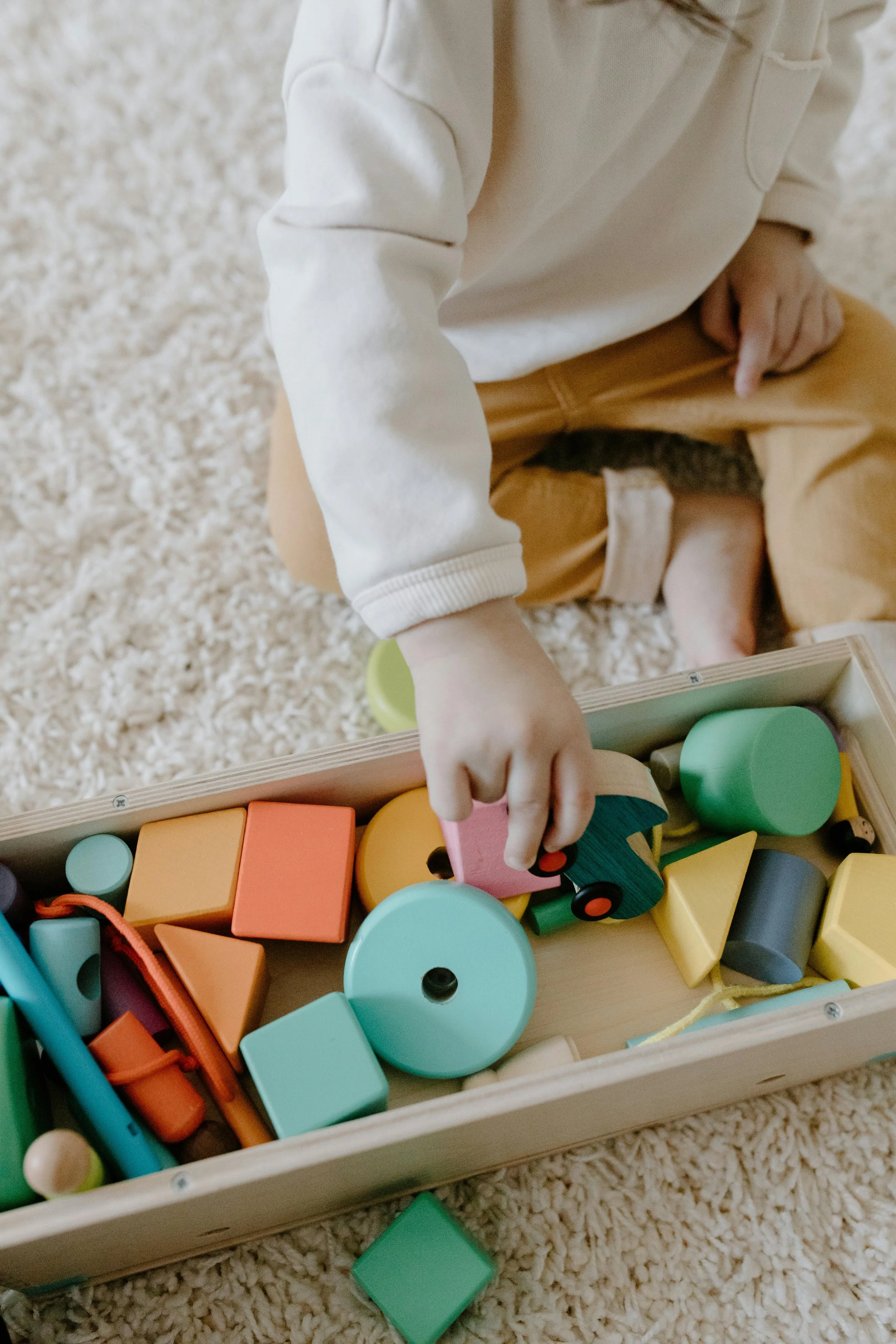

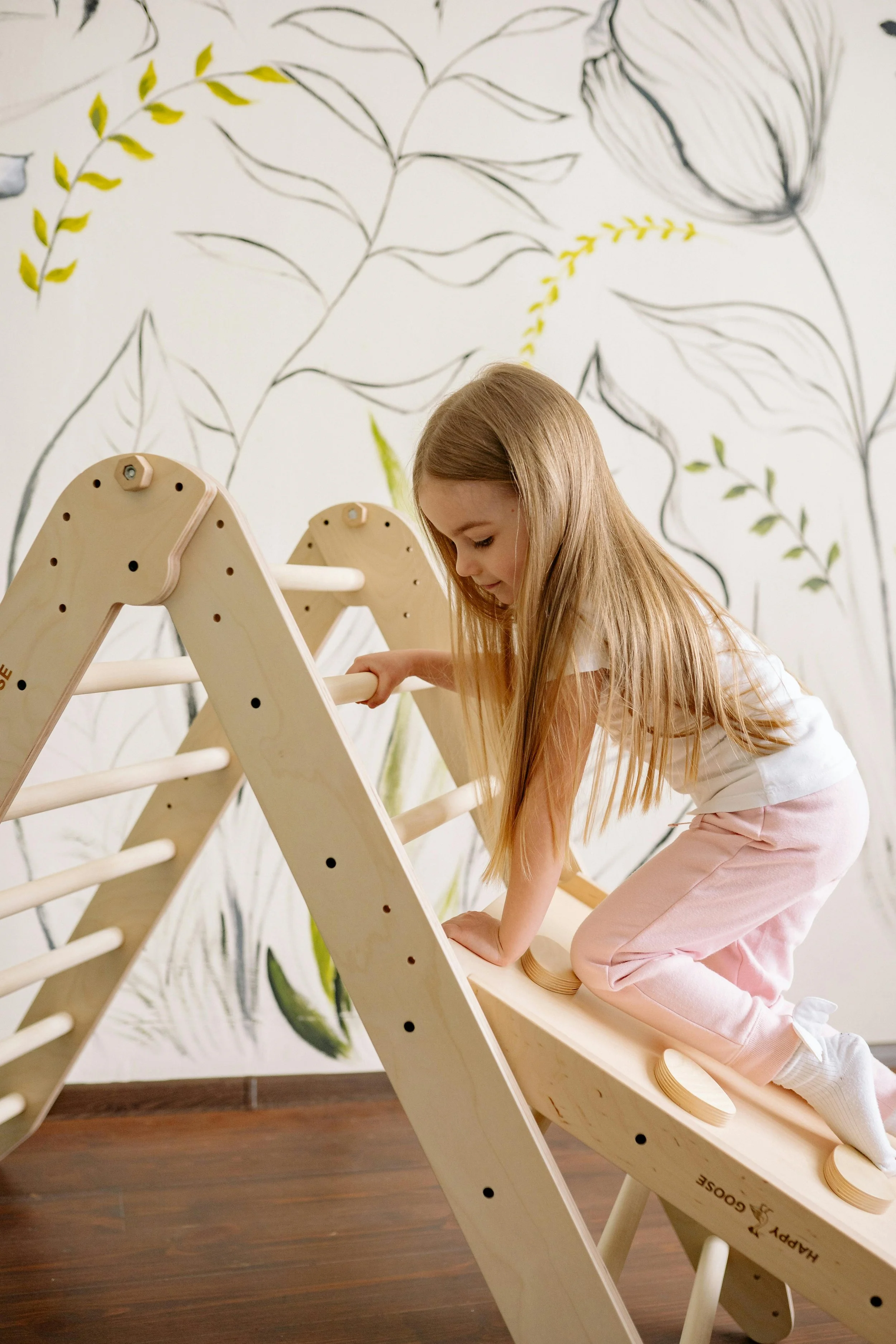
low-language parallel play TOOLS
-
For many 3- to 6-year-olds, direct questioning increases pressure. Parallel play lowers that pressure. When a child is behaviorally engaged — building, pretending, sorting — their nervous system is regulated enough to begin accessing speech.
We use this category of tools primarily for warm-up and connection. Once behavioral engagement is established, we layer in small, structured verbal prompts naturally within play. Because the adult controls pacing, exposures can be brief, repeatable, and success oriented.
-
Voice Onset Through Sound Effects:
Prompt — This puppy goes “woof woof”. I wonder what your puppy says!
Responding to Forced-Choice Questions:
Prompt — Do you want to add blue or red next?
Verbal Choice-Making Instead of Pointing:
Prompt — I see you’re pointing. Do you want more blocks or cars?
Single-Word Labeling:
Prompt — I forgot, what is this character’s name?
Short Declaratives:
Prompt — I’m not sure if Bluey would rather live in a castle or a house. What do you think I should build her?
-
Please Note: The product names listed below are clickable. Some are affiliate links, meaning Square One may receive a small commission if you choose to purchase — at no additional cost to you. We only share tools we genuinely use and recommend.
Duplos | Open-ended building keeps pressure low while creating natural opportunities for simple verbal choices and labels. As you build together, prompt short responses like naming colors or choosing between two pieces.
Mr. Potato Head | This hands-on toy supports labeling and simple cooperative communication during shared play. Pause before adding a piece and encourage your child to name what comes next. The sillier, the better!
Picasso Tiles | Engaging construction play allows for repeated, low-pressure verbal prompts. Use simple questions like “taller or no?” to encourage short spoken responses.
Play Kitchen | Pretend cooking invites functional phrases with playful interaction. Prompt simple requests or labels as your child serves or prepares food.
Sensory Bin | Regulating sensory play lowers anxiety and supports comfortable voicing. Ask brief, predictable questions about what your child finds to build repetition.
structured turn-taking games
-
Predictable structure reduces anxiety. In turn-taking games, the rhythm of play creates built-in speaking opportunities without requiring spontaneous conversation. Because children know when it’s their turn — and what is expected — uncertainty decreases.
These games gently bridge from parallel engagement to reciprocal communication. They allow for repeated practice of naming, asking, answering, and cooperative exchanges in a contained, low-pressure format.
-
Naming Simple Sight Words, Shapes, Colors, or Pictures:
Prompt — What shape did you land on?
Cooperative Communication:
Prompt — Whose turn is it? or It’s your turn to say, “My turn!”
Using a Friend’s Name to Initiate Interaction:
Prompt — When you pass it, say “Clare, here you go.”
Asking Simple Game-Based Questions:
Prompt — You could ask “Do you have glasses"?" or If you need a hint, you’d say “Hint, please!”
Answering Structured Questions Within Play:
Prompt — What match did you find?
-
Please Note: The product names listed below are clickable. Some are affiliate links, meaning Square One may receive a small commission if you choose to purchase — at no additional cost to you. We only share tools we genuinely use and recommend.
Zingo | Repetitive, fast-paced labeling game that supports naming sight words and simple pictures within a predictable format.
Frankie’s Food Truck Fiasco | Encourages turn-taking, following directions, and cooperative problem-solving while prompting simple question-and-answer exchanges.
Guess Who? | Structured yes/no question format makes it ideal for practicing asking and answering questions, gradually leveling up the intensity by using a friend’s name or asking parallel friendship questions.
Guess in 10 Junior | With pre-built question cards, this game supports category-based questioning and descriptive responses in a contained, rule-based but fun and engaging format.
Headbandz Junior | Playful game — that requires wearing a silly headband whose card you cannot see — that invites repeated question-asking and guess-taking and also builds tolerance for brief social performance moments.
movement / regulation-based play tools
-
Some children freeze when still. Movement helps regulate the nervous system and reduces over-focus on performance. When speech is paired with action, it feels less evaluative and more natural.
These activities are especially helpful for children who shut down under direct verbal demand. By embedding short verbal targets into physical play, we build flexibility — brave talking can happen even when the body is active.
-
Naming Colors, Numbers, or Simple Cues During Movement:
Prompt — What color are you on?
Scaffolding Short Behavioral Prompt While Moving:
Prompt — It’s our turn to say, ready, set, … (pause for child to finish with “go!”)
Saying “Stop” and “Go” with Increasing Volume or Distance:
Prompt — Alright, Suzy, it’s your turn to stand there and say “Go!”
Calling Out Responses Alongside Physical Movement:
Prompt — When you toss it, say the number.
Proposing Simple Ideas or Choices Within Play:
Prompt — Which station / toy should we try next?
-
Please Note: The product names listed below are clickable. Some are affiliate links, meaning Square One may receive a small commission if you choose to purchase — at no additional cost to you. We only share tools we genuinely use and recommend.
Stepping Stones | Encourage children to move across colored stepping stones while naming each one around. This builds repetition and voice use when active within play, reducing performance pressure.
Hopper Toy | Rhythmic bouncing helps regulate the body while pairing movement with short, verbal cues like counting or saying “go”. The repetitive motion supports repeated voice initiation without overthinking.
Balance Beam | Walking across the beam allows for paced, predictable verbal prompts such as counting steps or naming colors. The steady movement helps children speak while mildly activated.
Red Light, Green Light | Naturally builds calling out “stop” and “go” across increasing distance. The playful format supports volume shaping and confidence in projecting voice.
Bean Bag Toss | Combine throwing with short verbal targets like naming colors, counting points, or calling out a friend’s name before tossing. The action shifts focus away from performance and toward participation.