
PLAY-BASED BRAVE MOMENTUM
AGES 7 TO 9
As children move into elementary school, play becomes more collaborative and conversation begins to carry more of the interaction. For children who feel anxious about speaking or participating, these moments can feel high pressure. The tools below create structured, playful opportunities for brave talking through games that include clear turns, shared goals, and predictable language patterns. At this stage, we are building conversational confidence — helping children use their voice to participate, respond, and stay engaged with others.

GueSSING And QueStion GameS
-
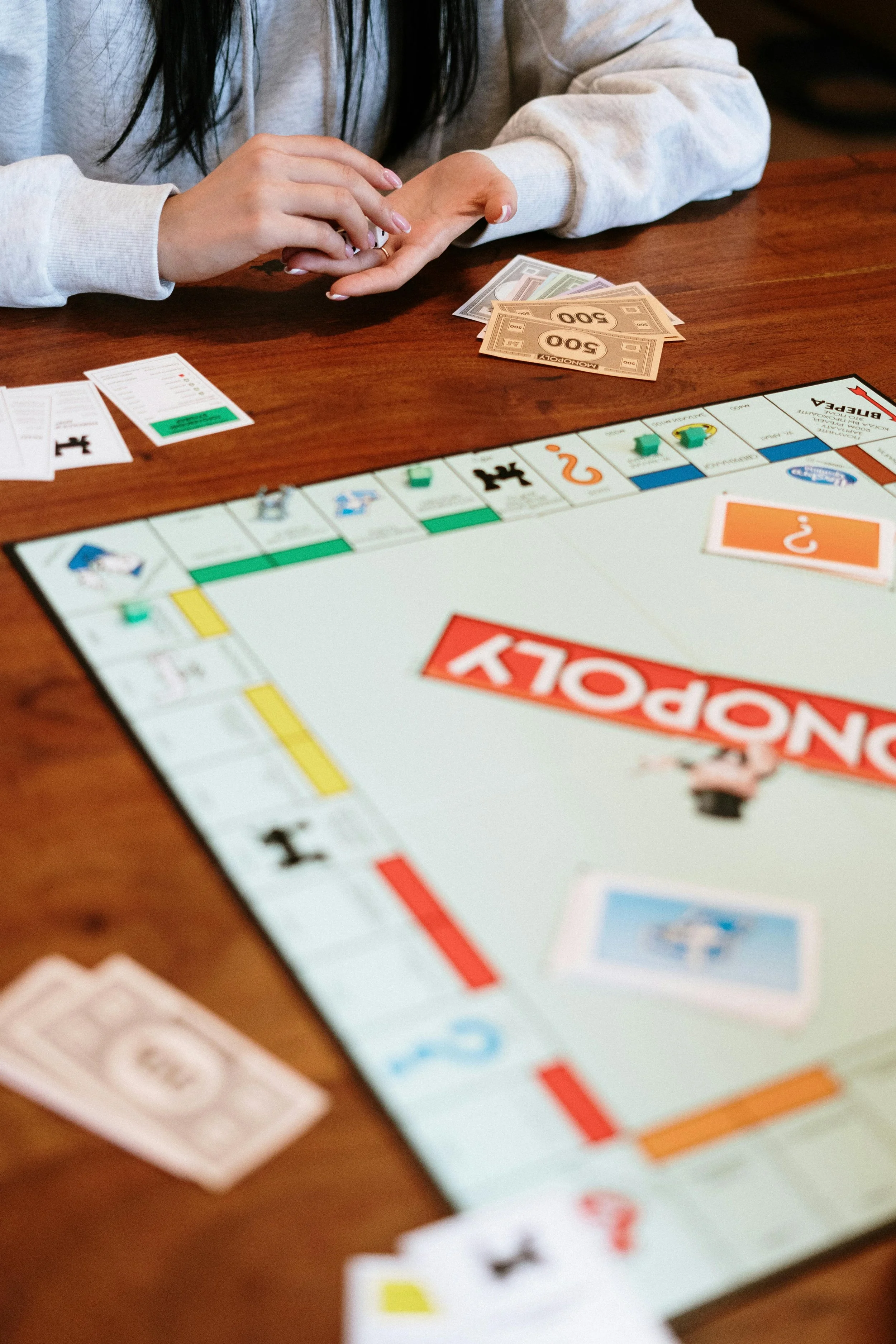
Question-based games provide a clear conversational structure. Players take turns asking questions, giving clues, and making guesses while the game itself keeps interaction moving forward.
Because the language demands are predictable, children can focus on participating rather than generating speech from scratch. These games build comfort with asking questions, answering questions, and thinking aloud with others.
-
Answering Direct Questions:
Prompt — Is it bigger than a dog?
Asking Questions:
Prompt — What color is it?
Making Guesses Out Loud:
Prompt — I think it might be a tiger.
Staying in a Back-and-Forth Exchange:
Prompt — That’s what I was going to guess too. I need a hint.
Collaborative Conversation:
Prompt — Good guess, but no!
-
Please Note: The product names listed below are clickable. Some are affiliate links, meaning Square One may receive a small commission if you choose to purchase — at no additional cost to you. We only share tools we genuinely use and recommend.
Guess Who | Players ask yes-or-no questions to narrow down characters. This format naturally builds question-asking and answering skills.
Hedbandz | Children ask questions to figure out the card they’re wearing. The fast pace creates many opportunities to speak.
Guess in 10 | Players ask strategic questions to identify an animal or object card, encouraging curiosity and conversational reasoning.
Battleship | Calling out coordinates and reacting to hits creates structured speaking opportunities during each turn.
Outfoxed! | A cooperative mystery game where players ask questions and gather clues to solve the case together.
FaSt-Paced Reaction GameS
-
Fast-paced games reduce overthinking and encourage spontaneous verbal responses. Because rounds move quickly, children have many opportunities to speak without feeling like attention is lingering on them.
These games support quick reactions, playful interaction, and flexible responding, helping children practice using their voice while staying engaged with peers.
-
Calling Out Answers:
Prompt — Which match did you find?
Naming Cards or Objects:
Prompt — When you find a match, say “Spot it!”
Quick Verbal Reactions:
Prompt — We’ll know when to go when you say, “3-2-1-flip!”
Playful Commentary:
Prompt — It’s a good friendship skill to say “Nice find!” or “Good game!”
Staying Engaged in Group Play:
Prompt — Since you won, go ahead and ask if friends would like to play one more round or something else.
-
Please Note: The product names listed below are clickable. Some are affiliate links, meaning Square One may receive a small commission if you choose to purchase — at no additional cost to you. We only share tools we genuinely use and recommend.
Spot It | Players race to identify matching symbols between cards, encouraging quick verbal responses.
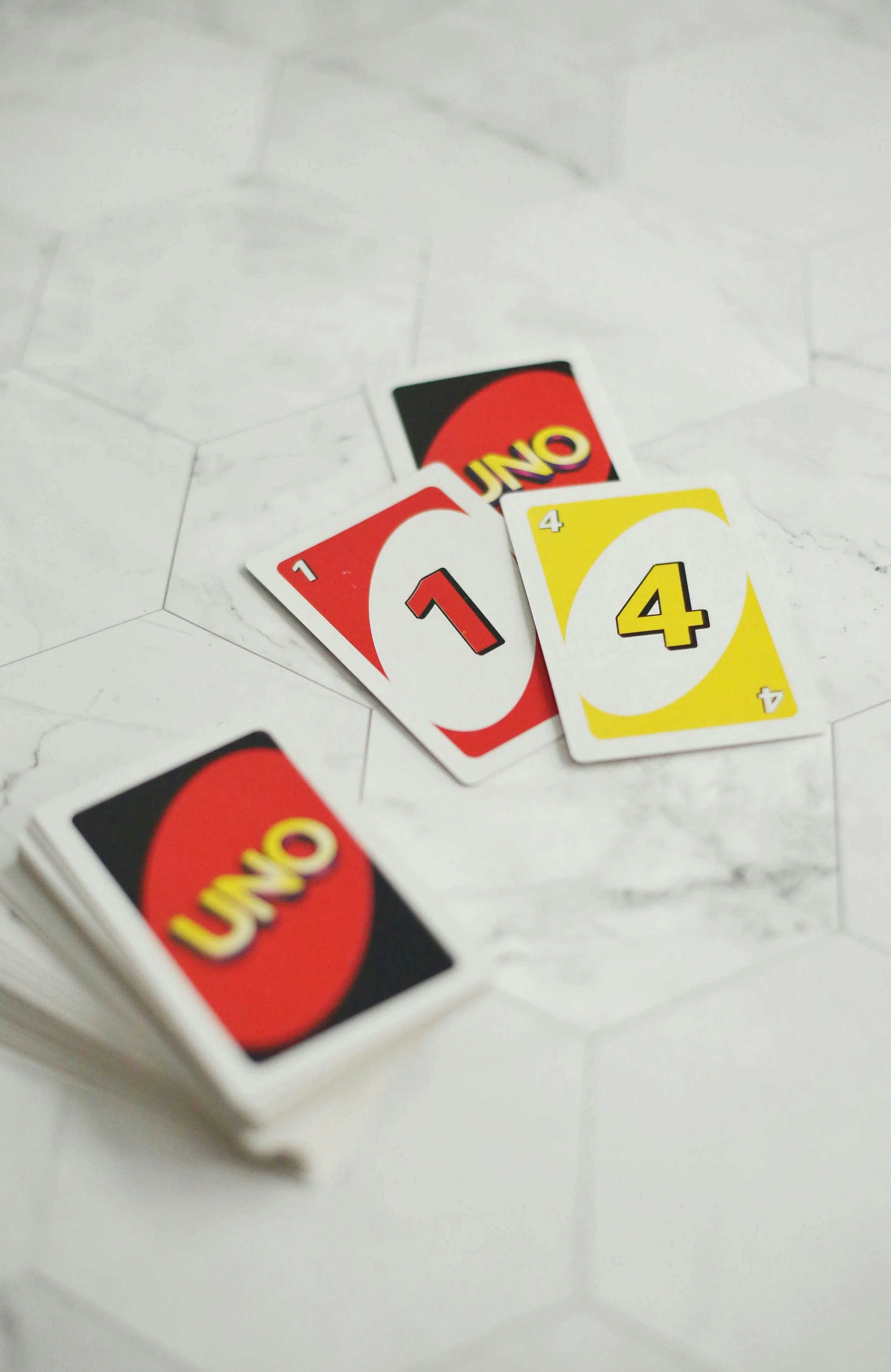
Uno | Fast-paced gameplay creates frequent opportunities to name colors, call out “Uno,” and react to other players’ moves.
Taco Cat Goat Cheese Pizza | A rhythm-based card game where players say each word in sequence, building playful voice use and group engagement.
Uproar | A lively guessing game that encourages expressive clues and spontaneous reactions.
P is for Pizza | Players quickly identify items that match a category, encouraging fast verbal responses and playful competition.
Creative And ExpreSSION Play
-
Creative play allows children to speak through drawings, stories, and shared imagination, which can reduce self-consciousness. Instead of feeling like they are being evaluated, children collaborate on ideas.
This type of play supports describing, storytelling, and conversational flow, helping children practice staying engaged in interaction.
-
Describing Ideas:
Prompt — What should I draw next?
Giving Clues:
Prompt — It’s something you wear on your head.
Adding to Someone Else’s Idea:
Prompt — Then, the dragon flies over the castle.
Initiating Conversation:
Prompt — Wait, I have an idea!
Staying in Collaborative Play:
Prompt — Okay, now it’s your turn.
-
Please Note: The product names listed below are clickable. Some are affiliate links, meaning Square One may receive a small commission if you choose to purchase — at no additional cost to you. We only share tools we genuinely use and recommend.
Pictionary | Players draw clues while teammates guess aloud, encouraging descriptive language and collaborative play.
Mad Libs | Silly fill-in-the-blank stories invite playful word generation and shared laughter.
LEGO Sets | Building together creates natural opportunities to discuss ideas, plans, and creations.
Rory’s Story Cubes | Dice with images inspire collaborative storytelling and imaginative conversation.
Telestrations | A hilarious drawing-and-guessing game that combines Pictionary and Telephone, encouraging description, guessing, and laughter.